What Does It Really Mean to Comprehend?
To be completely honest, when I first started looking into how to help my older students comprehend, I don’t think I fully understood what it meant to comprehend.
Read words.Understand what they say. The end.
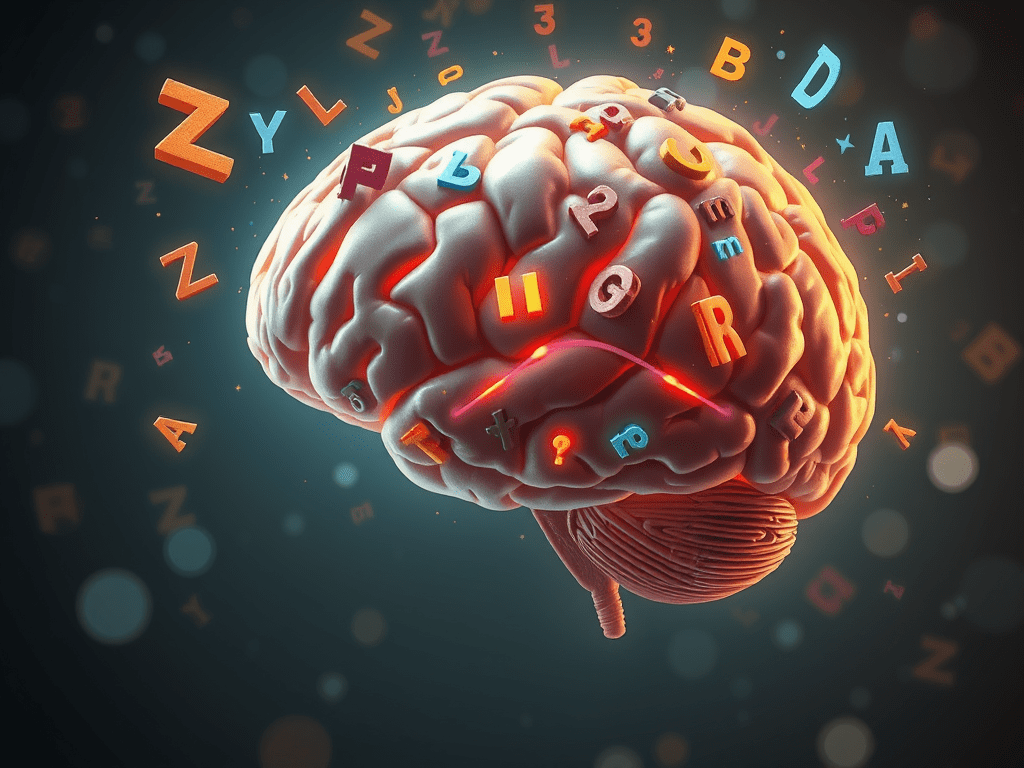
But it is actually way more complex than that. The amount of work our brains do whenever we read something is crazy. When we read, every single part of our brain activates. These parts work together in a coordinated effort to make sense of the material, or to comprehend it.
One part of the brain processes the visual information of letters and words. Then, another part of the brain works to make sense of those words. A third part is used for memory. This makes it possible for us to hold onto the words that we read at the beginning of a text or paragraph by the time we get to the end of it. And finally, one more of our brain’s lobes allows us to visualize our own picture of what the letters on the page mean. It is straight up sorcery, this magic that happens every time we read.
For more information, check this book out.
This process of reading and comprehending requires sustained focus, problem-solving, and often a willingness to reread and try to understand again, if we didn’t the first time. It isn’t as simple as read the words and understand what they say. Comprehension is magic.
So drawing on the science of reading research, I wanted to explore what comprehension really entails in various mental modes.
First, What Is Comprehension?
At its core, comprehension is the ability to understand, interpret, and apply information. It’s not just about reading words on a page; it’s about making meaning from those words. Comprehension requires us to synthesize many skills. We have to decode. We have to have a robust vocabulary. We absolutely, positively need extensive background knowledge related to what we’re reading. And, finally, we need to be able to think critically about what we have read or learned.
In the secondary classroom, comprehension takes on an added layer of complexity. Students are not only continuing to learn to read, because learning to read never really ends — this is a soapbox issue for me! — but they are also reading to learn. They’re engaging with more sophisticated texts. The concepts and ideas that they are reading about are way more challenging too.
So What Does Comprehension Look Like Across Content Areas?
Comprehension doesn’t look the same in every subject. It is an important element of each, though, which is why teaching literacy skills is so important across content areas. Each discipline demands unique approaches to understanding the material, in general. However, teaching students how to read in those content areas make such a big impact!
Whether it’s analyzing literary themes, solving mathematical problems, interpreting scientific data, or considering historical events – the brain’s ability to process information is directly related to literacy.
Each content area brings unique demands and requires specific strategies:
- English Language Arts: In ELA, comprehension involves understanding themes, analyzing character development, and interpreting the language authors use. For example, when studying The Diary of Anne Frank, students might examine Anne’s perspective about life and the events she’s living. Students should definitely consider the historical context of the play. And an analysis of the universal themes seen in the story would be essential as well.
- Social Studies: Social Studies is often considered the most closely related to reading comprehension, and for good reason. Comprehension in a Social Studies class involves analyzing historical events, understanding cause-and-effect relationships, and drawing parallels between the past and present. For example, students might compare the social dynamics of the Civil Rights Movement to current struggles for equality. It isn’t the only content area that requires us to read and understand information though.
- Science: Scientific comprehension includes interpreting data, understanding processes like photosynthesis, and evaluating the validity of experiments. While there might be less reading, the critical thinking skills required to truly grasp scientific concepts makes this content area one that is ideal for aiding in comprehension. Students often need to make connections between very abstract concepts and things they can observe in the world. This is so important for building comprehension skills that students will use in real life.
- Mathematics: Comprehension in math means grasping concepts, understanding problem-solving processes, and applying formulas to real-world situations. It’s not just about finding the right answer but explaining how and why the answer makes sense.
- Electives: Whether it’s art, music, or technology, comprehension here is all about applying creativity and critical thinking.
Comprehension is not a one-size-fits-all process. It is a multifaceted skill that is so much more complex than just read and understand. By recognizing the difference, educators can better help our students to meet the challenges of each subject area while helping them to learn transferable critical thinking skills that will aid them in real life.
The Importance of Comprehension in Real Life
If you’re here and you’re reading this, I know that I’m preaching to the choir BUT comprehension isn’t just an academic skill; it’s a life skill. In our daily lives, we rely on comprehension to do so many thing:
- Navigate Our Every Day World: Whether we are reading a bus schedule, following a recipe, or researching something we saw in the news, comprehension helps us make informed decisions.
- Build Relationships (EMPATHY!): Understanding other people’s perspectives and emotions is crucial for communicating and just being decent human beings!
- Solve Problems: Troubleshooting a technology issue on a website that you never mean to create. Managing finances. Whatever it might be. Comprehension enables us to analyze situations and find solutions – whether that is doing it yourself or hiring someone else to do it. Lol.
- Lifelong Learning: In this crazy world of ours, that changes every minute of every day, the ability to comprehend new information makes it so that we can adapt and grow with it.
Ok, Then… How Can Educators Aid Comprehension?
The science of reading research highlights key strategies:
- Build Background Knowledge: Students comprehend better when they have a strong foundation of knowledge about a topic.
- Expand Vocabulary: Teaching domain-specific and general academic vocabulary helps students access complex texts. BUT ALSO using big words and finding ways to integrate them into your every day structure will greatly impact comprehension down the road.
- Use Explicit, Structured Instruction: In every class, every content area, every single day, explicitly model and teach how to comprehend (which, again… is to read, analyze, think critically). Don’t assume that the students know how to do it.
- Provide Scaffolding: Break down those complex tasks and gradually remove support as students gain proficiency.
For more information, see my other blog posts in this series.
Understanding Scarborough’s Reading Rope
And for a FREE Toolkit about how to integrate the Science of Reading Research in your Secondary Classroom, sign up for my newsletter.
Comprehension is the bridge between learning and understanding. If we want students to comprehend, we have to provide them with the tools and scaffolds to do so. Because when they truly comprehend, they’re empowered to think critically, act thoughtfully, and engage meaningfully with the world around them.


Leave a comment