Background knowledge is one of the components of Scarborough’s Reading Rope and a necessary part of reading comprehension. Without relevant background knowledge, students have nothing to spark that brain power necessary for understanding what they read.
One of our go-to strategies for teaching comprehension is asking students to make connections to what they are reading. But what if they don’t have the background knowledge necessary to make connections? We have to teach students to comprehend, yes. But we also have to present them with a very content rich curriculum in order to build knowledge. So I asked some of my favorite teachers to help me compile a list of the best, most unique strategies. Here are six ideas for building background knowledge in your secondary classroom.
1. Museum Projects for Building Background Knowledge
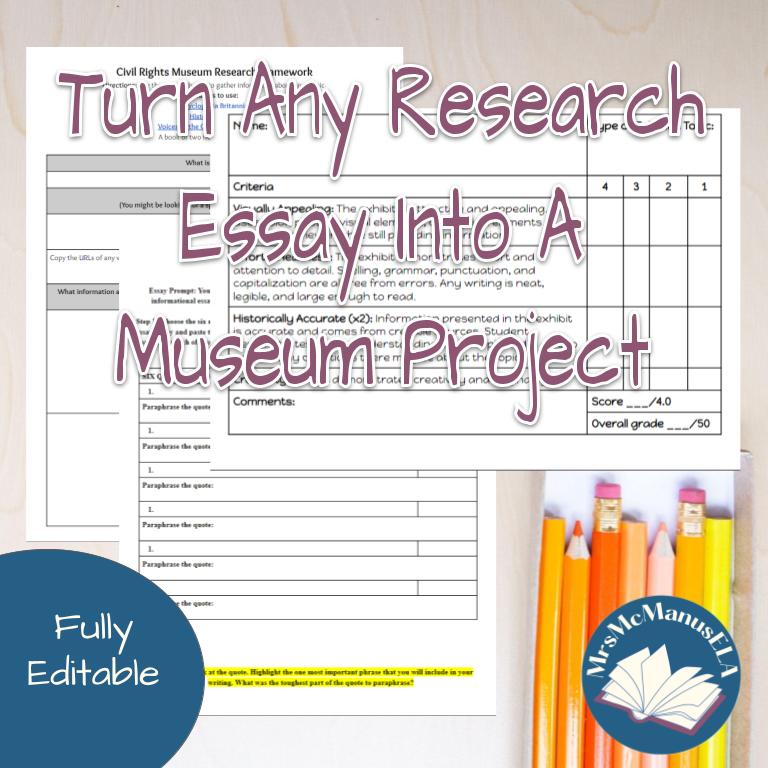
A museum research project serves as a fun and effective strategy to build background knowledge before a novel study. It allows students to immerse themselves in the historical, cultural, or social backdrop of the story before ever turning the first page.
Students take on the role of researcher, adding more standards to our reading units, by looking into topics related to the novel’s context. However, instead of a traditional research essay at the END of a unit, they create exhibits that reflect their research BEFORE the unit. For example, before reading The Diary of Anne Frank, students might explore topics related to the Holocaust. Similarly, a project before The Outsiders could focus on life in the 1960s.
Through this process, students gain deeper insight into the novel’s world and the experiences of its characters. The hands-on nature of museum projects makes abstract concepts tangible and accessible. Which, in turn,fosters empathy and a personal connection to the material. It also enhances critical skills like research, collaboration, and creative problem-solving.
The project culminates in a collaborative museum, where students present their findings through visual displays or artifacts. This shared experience builds excitement for the novel while reinforcing a sense of purpose for their reading.
By grounding students in the novel’s context, museum research projects help bridge the gap between their existing knowledge and the story they are about to explore, making the reading experience more meaningful and memorable. Turn any existing research unit that you have into a museum project with this resource.
2. Exploring a Novel’s Setting Through Virtual Field Trips
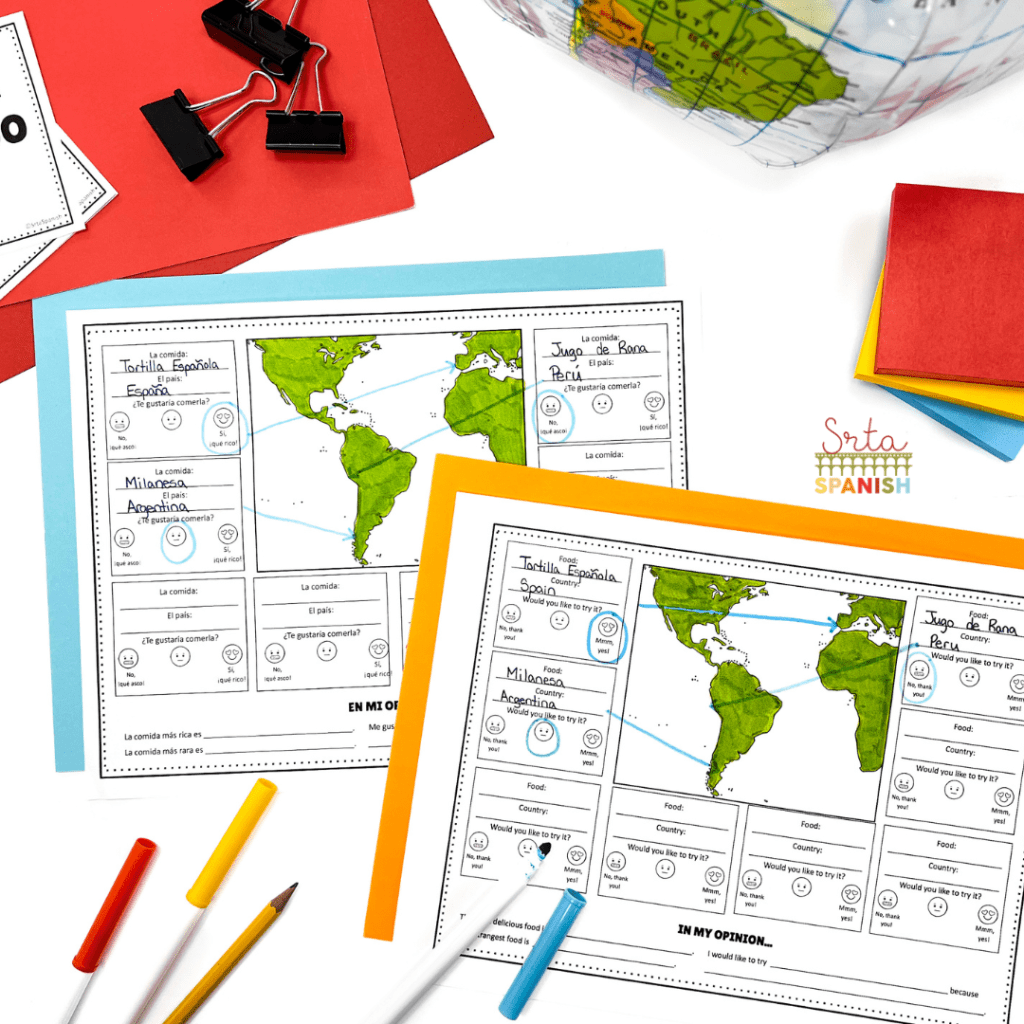
Virtual field trips are a great way to introduce information and allow students to explore! Ashley from Srta Spanish finds them especially helpful to reinforce geography of an area as students will navigate the interactive map to pull up information connected to locations and regions. Let’s look at how you might use them to explore the setting of a novel with your classes! First, if you’re worried about the technical aspect, don’t! Creating your own virtual field trip is simple.
Here are the steps:
- Choose your tool
- Choose your destination
- Gather media
- Create the file in your tool of choice
- Optional: Create your handout(s)
- Optional: Plan a fast finisher or follow up activity.
- Share and assign the virtual field trip
Check out the step by step tutorial and information about Ashley’s favorite tools for creating virtual field trips here.
Let’s apply it to a novel to give you a simple example to get started! While this example is for a Spanish reader, you can apply the same steps to any non-fiction work or novel you are using in your classes set in the real world. The novel “Me perdí en Medellín” is a story set in Medellín, Colombia. While reading with your class, you might take them on a virtual field trip to explore the city!
Ashley recommends picking out 10-15 markers total. Begin with locations or areas from the novel to include in your trip. For this novel, you might include:
- Medellín
- el Poblado
- Hotel Poblado Alejandría
- La Catedral Metropolitana
- Parque Bolivar
- Paris, France
- Vancouver, Canada
Next, include markers that highlight cultural information students will see in the book. For example, they might need help understanding where the Colombian coffee region is, or see examples of some of the food and drink included. Artists, history, and more – anything that will help them form a better understanding of where the novel takes place!
You can add all sorts of media and videos to help students explore and “visit” the novel’s setting. If you’d like, you can even have a class co-create a virtual field trip at the end of your reading as a summary activity for the book.
If you’d like to learn more about creating and using virtual field trips in your classes, make sure you check out this blog post on everything you need to know about virtual field trips.
3. Building Background Knowledge with Games in the Middle School Classroom
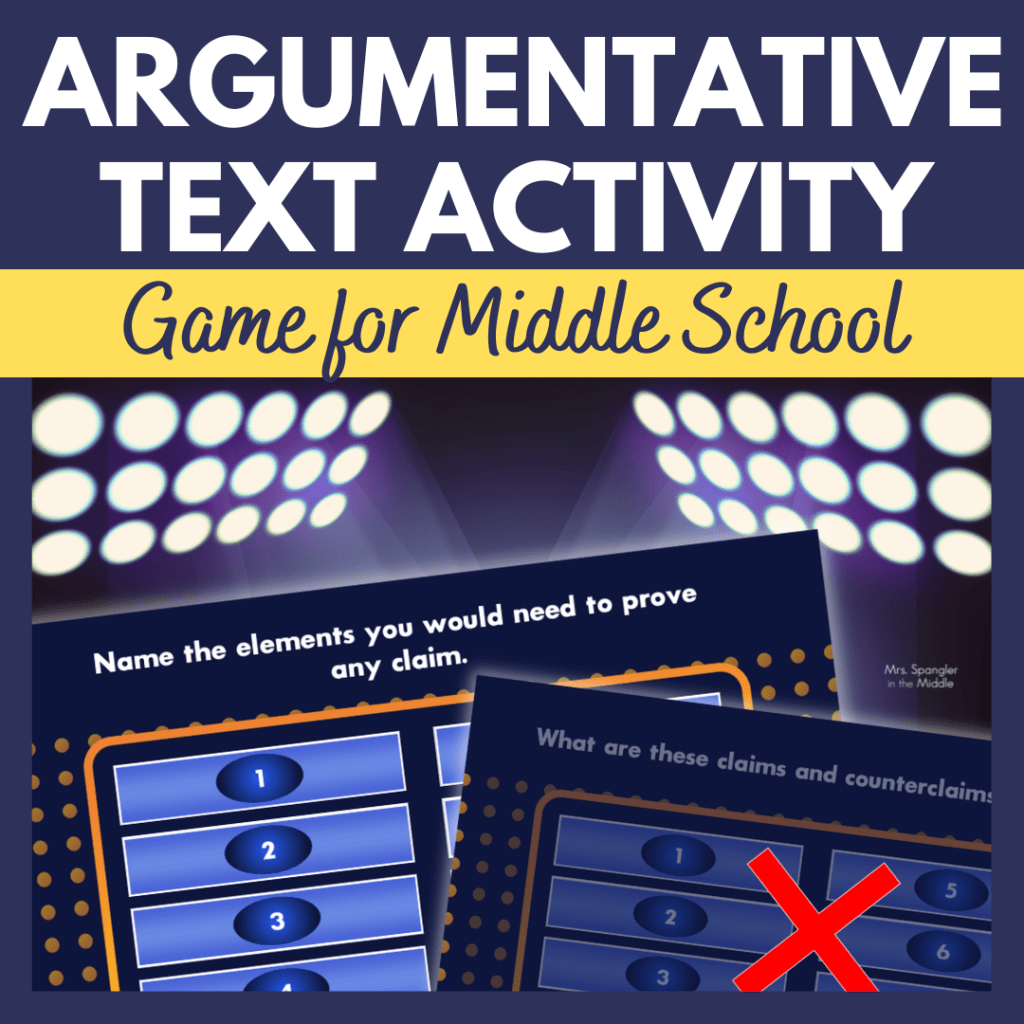
Mrs. Spangler from Mrs. Spangler in the Middle recommends using games to build background knowledge. This is an engaging and effective strategy for middle school classrooms, especially before diving into novels or new units. Games not only capture students’ attention but also make complex or unfamiliar topics more accessible. Here are 3 creative ways to use games to prepare students for success.
- Trivia Games
Trivia games are a great option for introducing key concepts, historical contexts, or cultural details. For instance, before reading The Giver by Lois Lowry, I used a Jeopardy style trivia game with categories such as “Types of Governments” or “Famous Utopias and Dystopias” to involve learners in what they need to know before reading the book.
- Group Games
Before teaching students to analyze argumentative text, we play “Classroom Feud” modeled after the famous game show. This allows me to prime their brains with questions like “What is one element you need to identify in an argumentative text?” This in turn encourages discussion in the “family groups” and gives students the opportunity to consider multiple perspectives without them realizing it! Later, I refer to this when I begin instruction.
- Vocabulary Games
Games like Pictionary or charades can introduce new vocabulary and concepts in a fun, low-pressure way. For example, before studying Hatchet by Gary Paulsen, use one of these games to teach survival-related terms like “kindling” or “foraging”. I have even been known to make dominoes games with the needed vocabulary which can become rather competitive in my room.
Games are powerful tools for building background knowledge because they combine learning with play. By weaving these activities into the classroom, students are better prepared to engage deeply with novels and units because they truly engage with the material in a fun way!
4. Would You Rather… Spend the Day With/In – Building Background Over Time
Most students in K-12 love to play, “would you rather”, so why not use it to build background knowledge throughout a unit or throughout the entire school year?
Amy Shouman from TeachingGenerations explains how it works:
Option 1: Choose a plethora of historical / important people that you want your students to learn about. These people can be unit/theme/time period specific or not. Write a short paragraph about each person (AI would be a great resource here) and include a picture. Each day, choose two of the important people and have your students read about both of them. Then, they must answer the question, “Would you rather spend the day with person A or person B.”
Amy has students give a reason from the text and generate a question they would ask that person were they to actually spend the day with them.
Option 2: Instead of people, choose places or time periods (i.e. Rome, Italy or 1776), and include a short paragraph about the place or time stamp and have students choose between two places or two time periods they would rather spend the day in. Instead of generating a question to ask a person, they can write what they are wondering/would like to know about that place or time.
You can do this throughout the entire year once a week or each day for a unit-whatever works best for your classroom. This activity is not necessarily text dependent, meaning it doesn’t have to be tied to a novel, but it is a fun way for students to read short passages, build background knowledge about a variety of people, places, time periods, and topics, and make a decision while generating questions.
5. Creating Thematic Inquiry Units to Deepen Knowledge

Julia Cafaro over at Around the World with Mrs. C is very passionate about the power of deep thematic units that both build background knowledge AND deepen it. With thematic teaching, you are always going for depth over breadth!
Teaching literature thematically helps students think critically and analyze effectively while building this knowledge more deeply. Comparing how authors, scientists, philosophers, etc. from various cultures and times address similar themes/questions builds analytical skills, deepens understanding of literary techniques, and enhances their ability to interpret complex ideas.
The way she approaches this varies, sometimes she has the theme she knows she wants to explore and then builds from there. Or sometimes, she reads something powerful and contemplates the themes within to start with. But, either way, she then distills the theme(s) into one deliciously juicy question to center the unit around.
For example, with her Suspense Mini Unit, the question that keeps getting circled back to is, “Why do humans like to be scared?” This is also supported by other supporting questions such as: How does the exploration of fear and suspense contribute to our understanding of ourselves and the world around us? What psychological and emotional factors contribute to our fascination with the macabre?
Then, she gets to work finding a plethora of texts that help explore these questions. Ranging from informational texts, short stories, poems, and podcasts as well as infusing many opportunities to write, discuss, and create along with this reading exploration.
For the suspense unit, students first begin with a semantic mapping of the word FEAR. They consider all the different levels of fear and what causes them. They then read articles about psychological aspects of fear and why humans are both drawn to and need it. They then discuss the difference between fear and anxiety, and the sweet spot of suspense.
After this, they begin to listen to the wonderfully suspenseful podcast Limetown while discussing the elements that the creators used to build that suspense with just a hint of fear to make you sit on the edge of your seat and beg for more.
The following weeks, they read more informational articles in conjunction with short stories, poems, and creating their own suspenseful masterpieces. This is just one example out of many that Julia has put this into practice. She also has a detailed blog post on how she approaches an entire year of World Literature through 6 different thematic units (including the suspense unit mentioned above) as well as a 17-page teaching guide on how to do this that you can read HERE!

6. Integrating Poetry to Build Background Knowledge
Lesa from SmithTeaches9to12 loves poetry and finding ways to include it in her teaching beyond the traditional unit of poetry that lasts just a few weeks. Instead, Lesa looks for ways to make poetry part of her regular selection of texts to use in class, including teaching background knowledge for other texts.
For example, when teaching about a time period that is unfamiliar to students, such as the Elizabethan period before embarking on a study of Shakespeare, Lesa uses different poems from the period. The goal is to familiarize students with language, imagery, and big ideas of the time. (This post shares more about the process and poetry suggestions.)
Once students have an idea of time, include more poetry – both classic and contemporary – to gain information about key themes in the play you’ll be reading.
Teaching Hamlet? Explore What Changes by Naomi Shihab Nye, which is about losing a father or Speaking of the future, Hamlet by Mary Jo Bang, about the play, family dynamics, and tragedy.
Teaching Twelfth Night? Try Choice by Angela Morgan or even the super simple (it’s only 4 lines) but utterly fantastic [you fit into me] by Margaret Atwood.
Check out more poem suggestions for Shakespearean themes in this post.
And poetry as background knowledge doesn’t just apply to Shakespeare! Choose any text you’re going to teach and consider what your students will need to know before reading. Then check out the search option on the American Academy of Poets’ website. Add in your keywords and it will populate with options for you to use. (This search is often more reliable than a wide-open online search engine.) The site also includes a Find Poems section where you can click a theme and find a myriad of options for more common themes such as ambition, aging, cats (!), and so much more!
If you’re unsure what to do with the poems once you’ve found them, Lesa offers guidance for lesson planning here, here, and here). And if you want even more help with poetry – as background knowledge or otherwise – make sure to grab this FREE e-book with 12 months of poems + 8 adaptable activities for your English classroom! The bonus is that teaching poetry will be even a bit easier with a free lesson plan delivered every month directly to your inbox using one of the month’s poems.
Which strategy are you going to use in your next unit? Let us know!


Leave a comment