In a world full of information, understanding what you read is one of the most essential skills a person can have. Whether you’re enjoying a novel, perusing a news article, or tackling a technical manual, comprehension helps you grasp the meaning, connect to new ideas, and make informed decisions. So here are the five necessary steps to make reading comprehension happen:
1. Activate Prior Knowledge
Before diving into a text, we need to get students thinking about what they already know about the topic. Activating prior knowledge helps them create a framework for the new information that they will encounter. For instance, if you’re reading about World War II, recalling historical events or related books can provide context, making the material easier to digest.
Some Tips: Have students jot down key ideas or questions they have about the topic. Help students connect prior knowledge to new texts by using graphic organizers or by facilitating pre-reading discussions.
I like to throw in other reading strategies with this. For example, after having students write down everything they know about a topic, have them put those ideas into categories. This facilitates inferential thinking and vocabulary acquisition. Asking students how each of the ideas connect to one another builds pathways in the brain that helps them practice necessary skills needed for comprehension.
2. Set a Purpose for Reading
Why are you reading? Many times, the answer will be because it is in the curriculum. But giving students a purpose for examining each individual text really does aid in comprehension. What do we need to get out of it and why?
Understanding your purpose helps you focus on relevant details. Think about this honestly, if you’re reading something for pleasure, you may skim over some parts. But if you’re reading for research, you most likely zero in on specific data or quotes. This is real life reading! Teach students how to do this by setting a purpose before assigning reading.
Some Tips: Have students ask themselves, “What do I hope to learn or achieve by reading this?” The metacognition involved in answering this question might help them remember the information long after reading it.
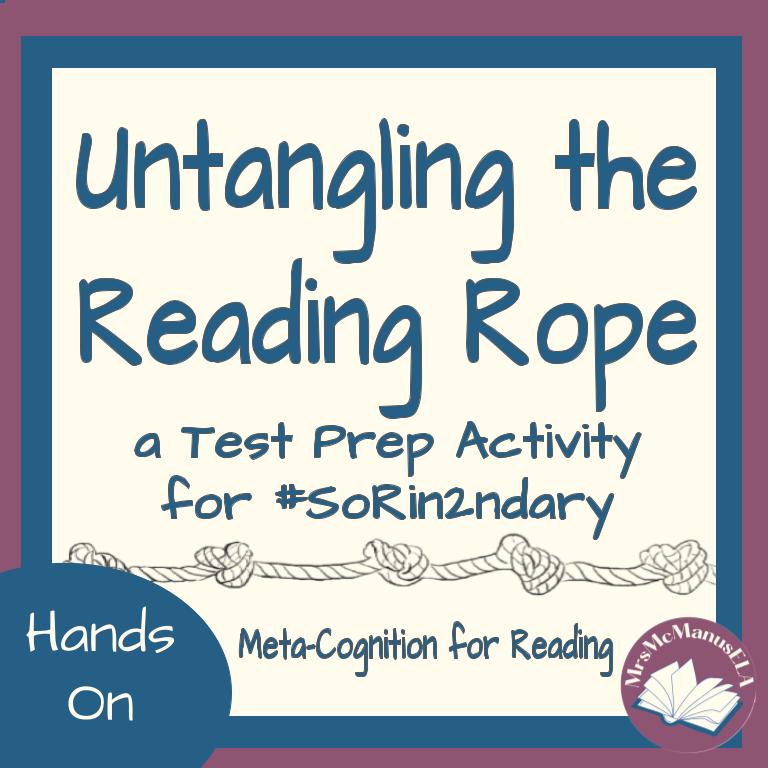
If you’re looking for a way to actively teach and build metacognition related to skilled reading, try out this FREE test prep activity, Untangling the Reading Rope.
Teach students how to identify their purpose for reading by modeling strategies like skimming headings, analyzing text features, and setting specific comprehension goals. These processes are great opportunities to teach literacy knowledge and how it relates to our understanding of a text, which happens to be one of the components of the reading rope that often gets left out, in my opinion.
3. Engage Actively with the Text
Passive reading often leads to missed details. Instead, interact with the text by annotating, highlighting key points, or summarizing paragraphs in your own words. Active engagement ensures that you’re not just reading but truly understanding.
Some Tips: Use a notebook or digital tool to keep track of key insights, vocabulary, or questions as you read. Guide students to engage with text through explicit instruction in vocabulary and syntax. Use activities like sentence deconstruction and word mapping to build these skills with the texts that you are already actively reading in class. Teaching concepts like grammar and vocabulary within the context of the text is so much more worthwhile than those standalone units that we often do.
For a look at how I use mentor sentences to teach grammar, check out this post about integrating grammar with The Outsiders by S. E. Hinton.
4. Monitor Understanding
Teach students to pause to check their comprehension as they read. Ask questions like:
- Do I understand the main idea?
- Are there any terms or concepts I need to look up?
- Can I explain this section to someone else?
If something doesn’t make sense, teach students to go back and reread. Make seeking clarification through research or asking for help as easy as it can be for them.
Some Tips: Break the text into smaller chunks, especially if it’s complex. Summarize each section before moving on. Encourage metacognition by teaching students how to self-monitor their comprehension. Incorporate think-aloud strategies to model this process, connecting it to the “Verbal Reasoning” component of Scarborough’s Rope, which supports inferential and critical thinking.
There’s that word, “metacognition,” again. I am an advocate for teaching the why behind things. It won’t matter to many of your students BUT many of them will get something from knowing why they’re learning what you’re teaching.
5. Reflect and Apply What You’ve Learned
Comprehension isn’t complete until you’ve reflected on and applied what you’ve read. Think about how the information fits into the bigger picture. How does it relate to your goals or other knowledge?
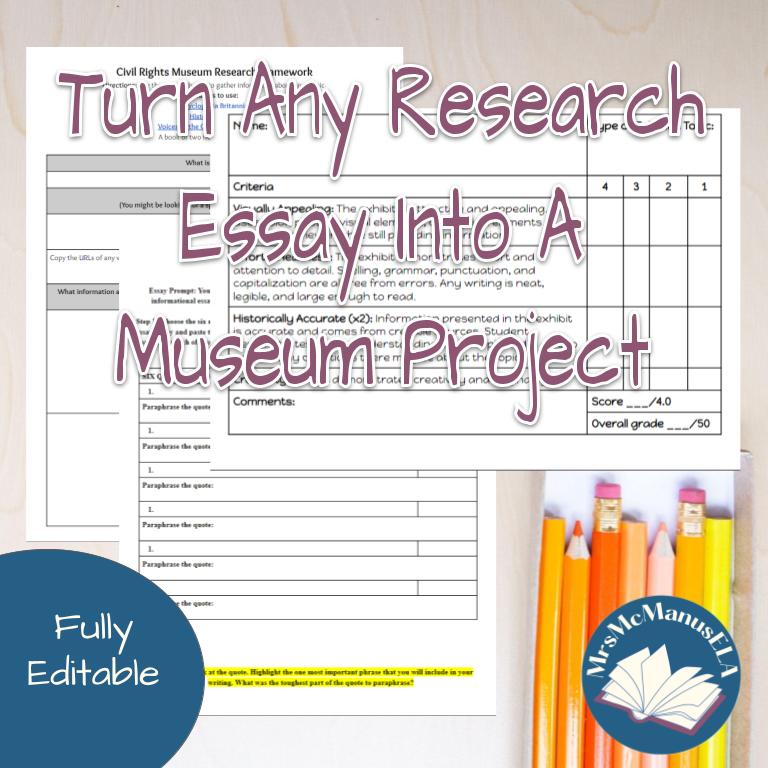
Some Tips: Discuss what you’ve learned with others or apply it to a real-world task. Teaching or explaining material to someone else is one of the best ways to reinforce understanding.Design activities that require students to synthesize and use their understanding, such as creating presentations, writing summaries, or engaging in debates. A fun museum exhibit project might do the trick.
Reading comprehension is a skill that grows with practice and being intentional in how we teach students to comprehend. Teachers can amplify this growth by aligning instruction with the components of Scarborough’s Reading Rope. This ensures that students develop the foundational and strategic skills needed for lifelong literacy.
What strategies do you use to improve comprehension? Share your thoughts in the comments below!


Leave a comment